
- June 23, 2026
- Jesus Beltran
- 0
Summer-Ready Restaurant Spaces: What Construction Should Address First
For restaurants across the SF Bay Area, summer brings a welcome wave of increased foot traffic, packed patios, extended service windows, and higher guest expectations. While this seasonal surge is excellent for business, it also ruthlessly exposes a space’s weak points.
A bottleneck at the bar that slows down service. A patio that feels like an afterthought. Cabinets, counters, or finishes looking worn after just one busy weekend. A dining room layout that forces servers and guests into an awkward dance. These issues may seem minor during a slow afternoon, but when the weekend rush hits, they can severely impact the guest experience.
The right construction plan allows restaurant owners, business owners, and property managers to address these vulnerabilities before they turn into costly operational disruptions. Through strategic planning, skilled craftsmanship, and disciplined execution, summer improvements can transform a restaurant into a more functional, durable, and welcoming space.
Why Summer Readiness Matters for Restaurants
Restaurants are dynamic, hardworking environments. In San Francisco, Oakland, San Jose, and across the Peninsula, these spaces must seamlessly serve guests, support staff, protect the brand experience, and withstand punishing daily wear. During the summer, those demands escalate dramatically.
According to the National Restaurant Association’s 2025 State of the Restaurant Industry report, tracking evolving consumer expectations, operational trends, and workforce pressures is critical for modern success. For owners, this reinforces a fundamental truth: your physical space must support both the guest experience and the daily realities of service.
That is why summer readiness should not be treated as a cosmetic checklist. It is a critical construction and planning objective. Whether a venue requires commercial tenant improvements, custom cabinetry, finish repairs, millwork upgrades, or outdoor dining enhancements, the goal is not to overbuild. The goal is to focus precisely on the structural and functional details that impact daily operations and guest perception.
“There is one timeless way of building.”
–Christopher Alexander, Architect
For restaurants, that philosophy rings true. Exceptional spaces are not built by accident; they are the result of thoughtful decisions, proper sequencing, and craftsmanship engineered for real-world use.
Focus First on Guest-Facing Areas
Guests notice far more than owners often realize. They register worn surfaces, awkward entryways, damaged millwork, loose trim, jarring lighting transitions, and outdoor areas that feel unfinished. Before the summer rush peaks, look closely at the high-visibility zones that shape a patron’s first impression.
Entry and Host Areas
The entrance sets the tone for the entire culinary experience. A clean, durable, and well-constructed arrival zone builds immediate confidence. Small, targeted updates, such as refined host stand millwork, integrated storage solutions, or refreshed trim and finishes, make the guest’s arrival feel intentional and premium.
Dining Room Details
Dining rooms endure constant physical impact. Chairs scrape walls, tables shift, and servers move quickly through tight pathways. Flooring, wall panels, built-ins, shelving, and service stations must withstand heavy traffic without looking exhausted halfway through the season.
The 2025 U.S. Houzz & Home Study notes that property improvements are overwhelmingly driven by long-term usability, enhanced functionality, and professional involvement. While that study centers on residential spaces, the commercial parallel is identical: owners are investing in spaces that perform better, last longer, and handle heavy use. A disciplined commercial construction team can help you identify which interior details require immediate attention and which can wait.
Restrooms and Transition Zones
Restrooms and corridors may not be the main attraction, but they heavily influence a guest’s perception of cleanliness and quality. Premium finishes, flawless carpentry, proper door functionality, and meticulous repairs protect your brand’s reputation across every square foot.
Optimize Flow Behind the Bar and Across the Floor
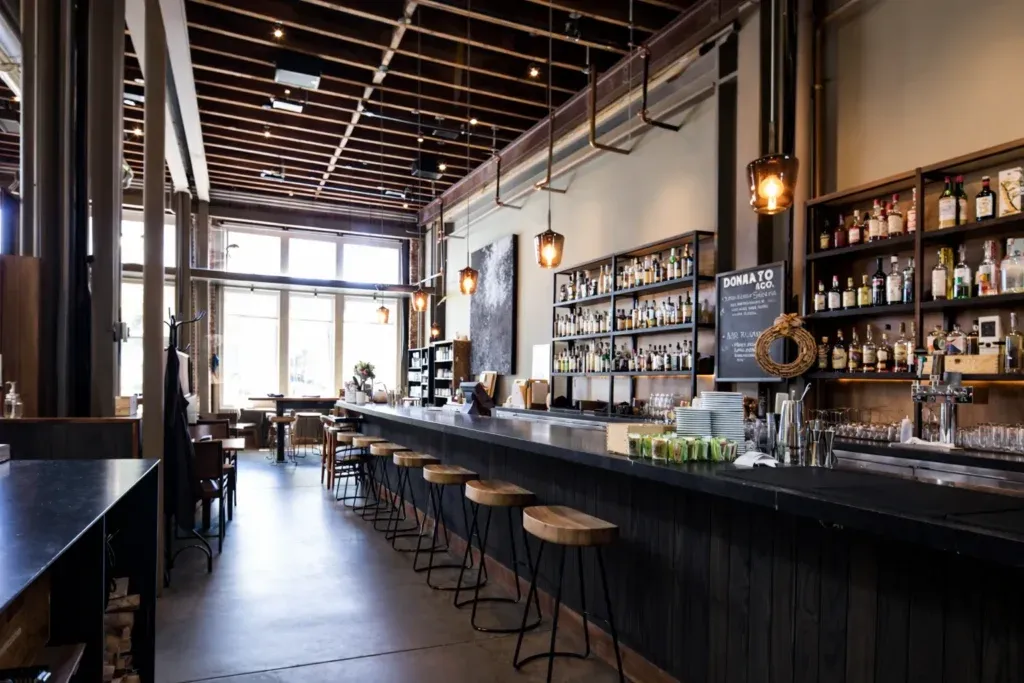
A restaurant can be visually stunning, but if it functions poorly, profitability suffers. Behind the bar, every inch matters. The placement of storage, shelving, reach zones, service counters, ice wells, and POS systems directly dictates service speed. On the floor, circulation is just as critical. If servers are constantly crossing paths or squeezing through narrow gaps due to poorly placed millwork, service slows down, and mistakes happen. For the summer rush, evaluate whether your space supports:
- Rapid Bar Service: Optimized layouts for high-volume beverage execution.
- Fluid Staff Movement: Clear pathways that eliminate cross-traffic bottlenecks.
- Efficient Expediting: Seamless pickup and drop-off points for front-of-house staff.
- Smart Storage: Accessible, integrated housing for high-demand seasonal items.
- Durable Work Surfaces: Materials that resist staining, scratching, and constant wiping.
This is where commercial tenant improvements and custom cabinetry work hand in hand. Well-built shelving, bars, service stations, and storage optimize how a restaurant operates without requiring a total footprint overhaul.
Make Outdoor Dining Areas Work Harder
Outdoor dining is no longer just bonus seating; for SF Bay Area restaurants, it is a primary revenue driver. A summer-ready patio should feel like a seamless extension of the indoor dining experience. Effective construction planning must address elements far beyond tables and chairs, including:
- Shade structures and weather exposure mitigation
- Level, durable, and slip-resistant flooring
- Atmospheric and safety lighting
- Windbreaks and aesthetic barriers
- Seamless service access and outdoor storage
In San Francisco, Oakland, San Jose, and the Peninsula, outdoor materials must endure rapidly shifting microclimates, moisture, UV exposure, and frequent deep cleaning. The best outdoor improvements are those that marry striking aesthetics with industrial-grade resilience.
Choose Materials and Finishes Engineered for High Traffic
Commercial construction demands an entirely different standard of durability than residential remodeling. A home kitchen serves a single family; a restaurant’s bar, dining room, and patio host hundreds of people daily.
Owners must prioritize finishes that are durable, non-porous, easily repairable, and on-brand. According to Construction Dive’s 2026 Construction Outlook, contractors and owners continue to navigate cost pressures, regulatory shifts, and project delivery challenges. In this economic climate, early planning and disciplined scope control are vital.
Material selections should always account for long-term maintenance. High-end building methodologies emphasize tight installations, robust surfaces, and clean transitions to prevent moisture infiltration and premature wear. Durability does not mean sacrificing design, it means choosing the right finish for the right location so your space looks pristine for years to come.
Small Improvements, Substantial Impact
Sometimes the highest-value improvements are targeted and practical. A restaurant may benefit from new built-in storage, repaired cabinetry, refreshed bar millwork, improved service stations, updated exterior frontage details, or more durable finishes in high-contact areas. These smaller construction decisions can help a restaurant:
- Improve guest perception
- Reduce staff frustration
- Protect finishes from heavy wear
- Make better use of limited space
- Prepare for higher seasonal volume
- Avoid larger repairs later
Custom cabinetry can be especially useful in restaurant spaces because it solves practical problems while improving the look and feel of the space. KingCraft’s custom cabinetry services are built around function, durability, clean lines, and precise installation, which makes them a strong fit for restaurants that need storage, bar features, built-ins, shelving, or finish upgrades.
Precision and Discipline Before the Rush
For restaurant owners, that means our work begins long before the first tool is lifted. We establish clear scopes, strict timelines, defined budgets, and functional goals on day one. This structured approach eliminates the common failure points of commercial construction: costly delays, poor trade coordination, and subpar craftsmanship that fails under pressure.
Partner with the Right Construction Team
In a competitive Bay Area market, the goal isn’t just to finish construction, it’s to finish well. A summer-ready restaurant should feel polished to guests, highly functional for staff, and profitable for ownership. Before the peak season arrives, take a walk through your space to assess your guest-facing areas, bar flow, and outdoor seating.
If your venue is ready for targeted, precise upgrades that stand up to the summer rush, KingCraft Builders is ready to execute them with discipline.Visit KingCraft Builders’ contact page to begin planning your next project today.